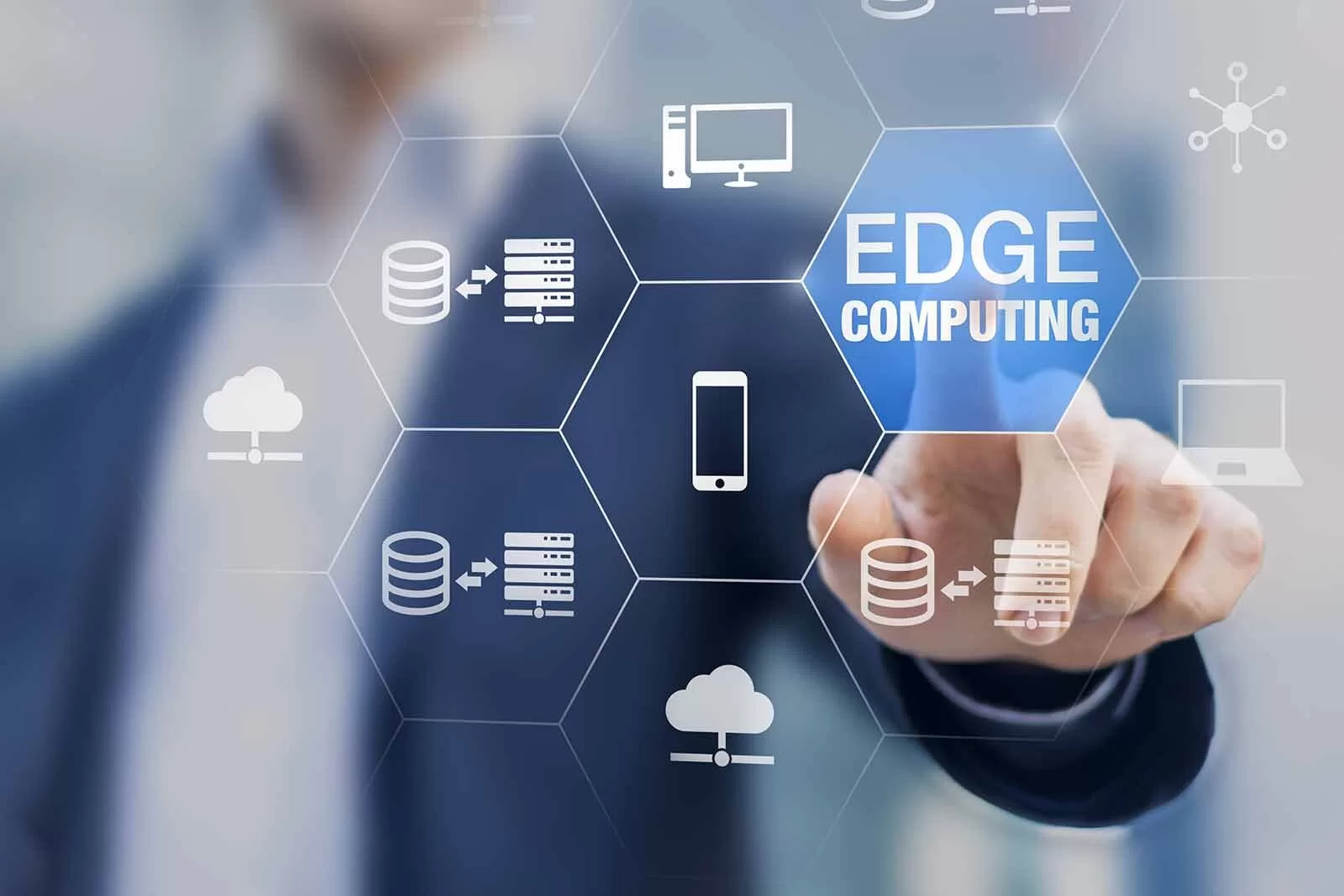
Edge Computing in Industrial IoT: Why Saudi Factories Cannot Rely on the Cloud Alone
In modern Saudi factories, data is generated everywhere. Motors vibrate, conveyors move, compressors cycle, and sensors stream thousands of data points every second. In industrial zones such as Jubail, Yanbu, and Dammam Second Industrial City, this data explosion is creating a new challenge.
Sending everything to the cloud sounds convenient. In reality, latency, reliability, and cost quickly become limiting factors. This is where Edge Computing becomes essential.
Edge computing processes data close to the machine, inside the factory. It is now a foundational architecture for Smart Factory Saudi Arabia initiatives aligned with Vision 2030.
What Is Edge Computing in an Industrial Context
Edge Computing refers to data processing that happens near the source of data rather than in a centralized cloud data center.
In Industrial IoT, this usually means an on site gateway or industrial PC connected directly to machines, PLCs, and sensors.
These edge devices filter, analyze, and react to data in real time before sending only valuable insights to the cloud.
Why Edge Computing Matters in Saudi Arabia
Latency and Real Time Control
Production lines cannot wait for cloud round trips.
In a Riyadh based manufacturing facility, a delay of even one second can mean product defects or safety risks.
Edge systems make decisions locally, ensuring immediate response.
Connectivity Limitations
Not all industrial sites have stable high bandwidth connectivity.
Remote facilities in mining, oil services, or water infrastructure cannot depend on continuous cloud access.
Edge computing allows operations to continue even during network outages.
Core Architecture of an Industrial Edge System
Data Sources
Data originates from sensors and machines.
- Temperature, vibration, and pressure sensors
- Siemens PLCs and legacy controllers
- Energy meters and power analyzers
Edge Hardware
Edge devices act as the local brain.
Common platforms include industrial PCs, fanless gateways, and ruggedized systems based on Raspberry Pi or x86 processors.
These devices are designed to operate reliably in high temperature environments common in Saudi factories.
Software and Protocols
Edge software handles data ingestion, processing, and communication.
- Modbus and OPC-UA for machine connectivity
- MQTT for efficient data publishing
- Local databases for buffering and resilience
Visualization and alerts are often handled locally using dashboards such as Grafana.
Edge Computing and Predictive Maintenance
Predictive maintenance is one of the strongest use cases for edge computing.
Instead of streaming raw vibration data to the cloud, edge devices extract key features and detect anomalies locally.
Only abnormal events and summarized metrics are transmitted, reducing bandwidth usage and cloud costs.
Saudi Industrial Scenario
Steel Rolling Mill in Jubail
A steel manufacturer in Jubail installed vibration sensors on critical rollers and gearboxes.
Edge gateways processed high frequency data on site and generated health indicators every minute.
The system prevented multiple unplanned shutdowns while keeping cloud data usage under control.
Edge vs Cloud: Not a Competition
Edge computing does not replace the cloud.
The cloud remains essential for long term analytics, reporting, and enterprise integration.
In a mature architecture, the edge handles speed and resilience while the cloud handles scale and coordination.
Challenges in Edge Deployment
Device Management
Hundreds of edge devices must be monitored, updated, and secured.
Cybersecurity
Edge systems must follow strict security practices to protect industrial networks.
Skills and Integration
Engineers must understand both OT systems and IT infrastructure.
Edge Computing as a Pillar of Industrial Digital Transformation
Edge computing brings intelligence closer to Saudi industrial assets.
It improves reliability, reduces costs, and enables real time decision making.
National programs under Vision 2030 and data initiatives led by SDAIA continue to accelerate adoption across the Kingdom.
Deploy Industrial Edge Solutions with IIoT-Bay
Successful edge computing requires the right hardware, protocols, and architecture.
Explore industrial gateways, sensors, and smart factory solutions at IIoT-Bay or book a technical consultation at IIoT-Bay Services.
Conclusion
Industrial IoT represents a strategic opportunity for Saudi factories to improve operational efficiency, reduce costs, and support Vision 2030 goals. By adopting modern technologies and best practices, industrial companies can achieve sustainable competitive advantage.
For personalized consultation on implementing Industrial IoT solutions in your facility, contact the IIoT-Bay team.